MARROW
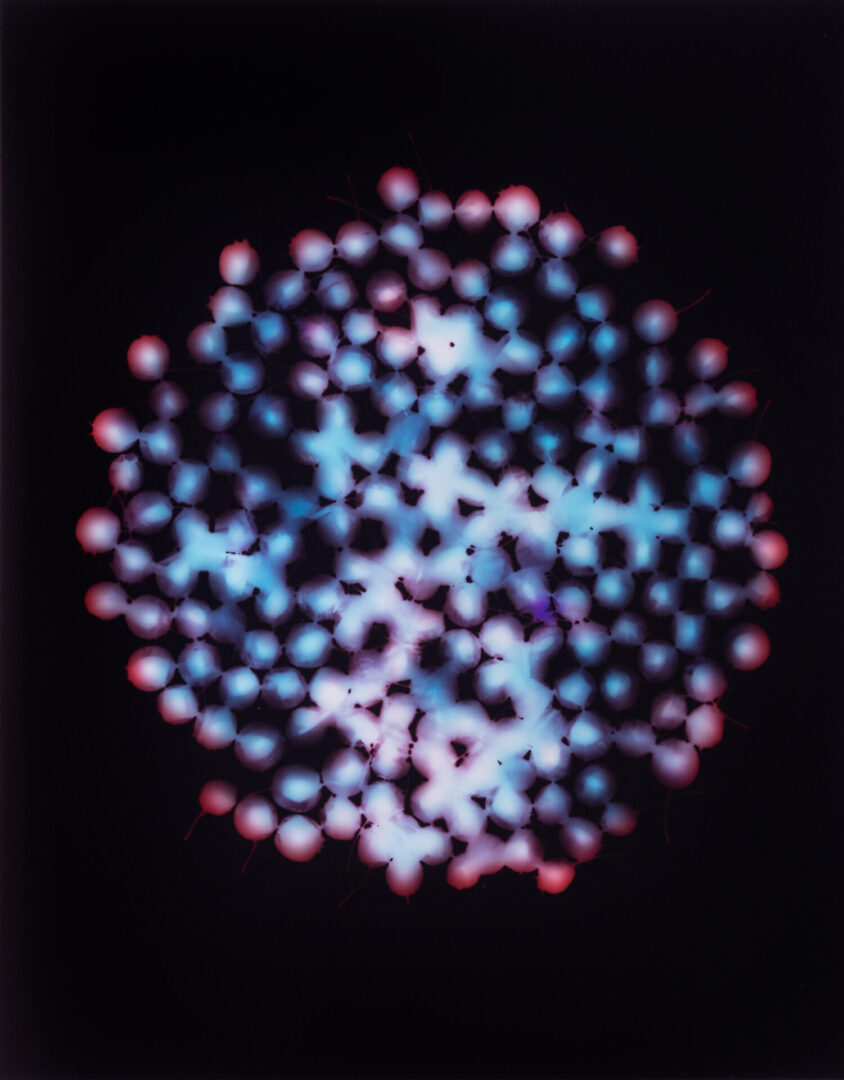
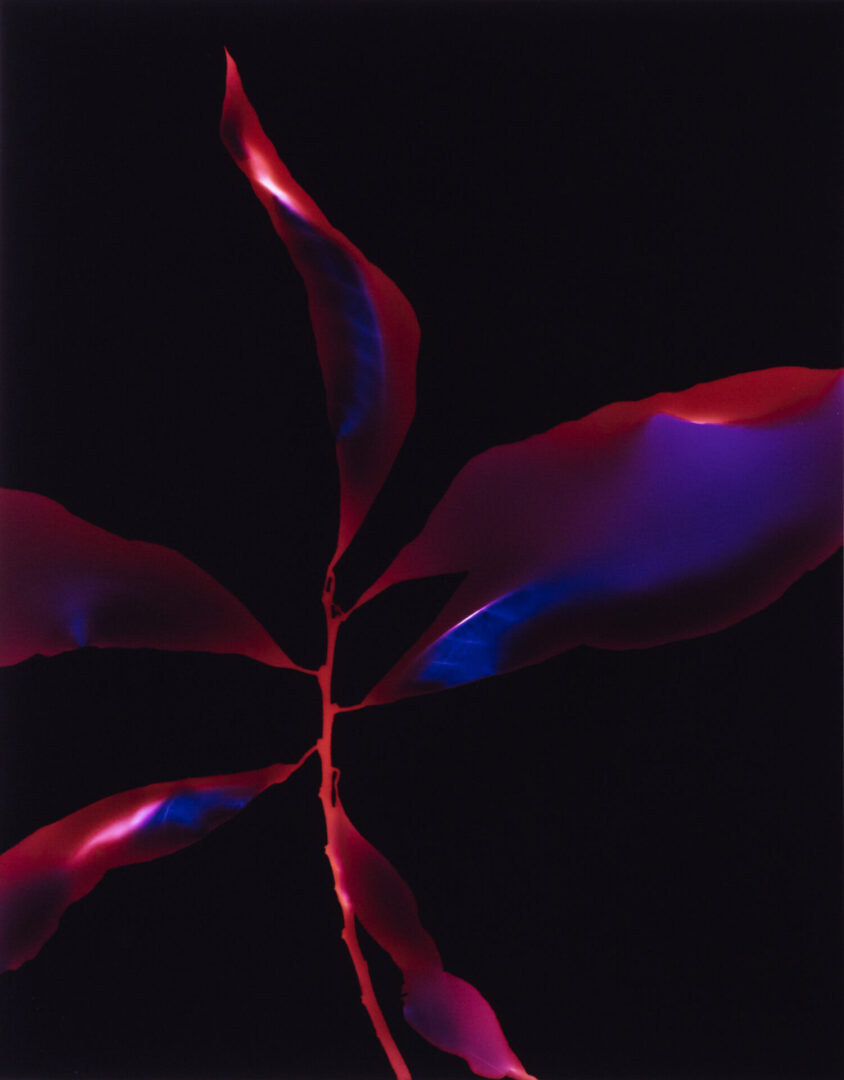
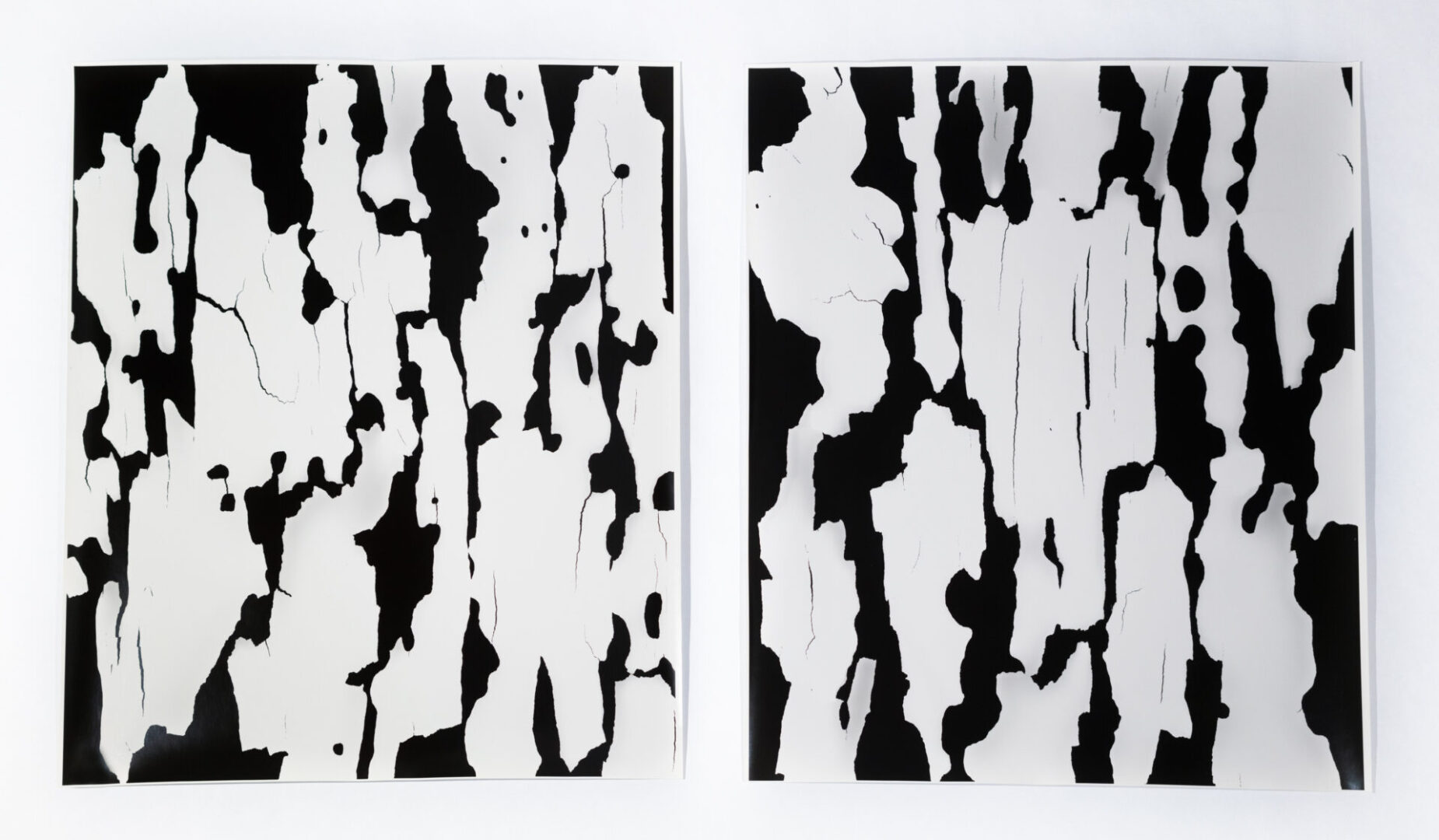
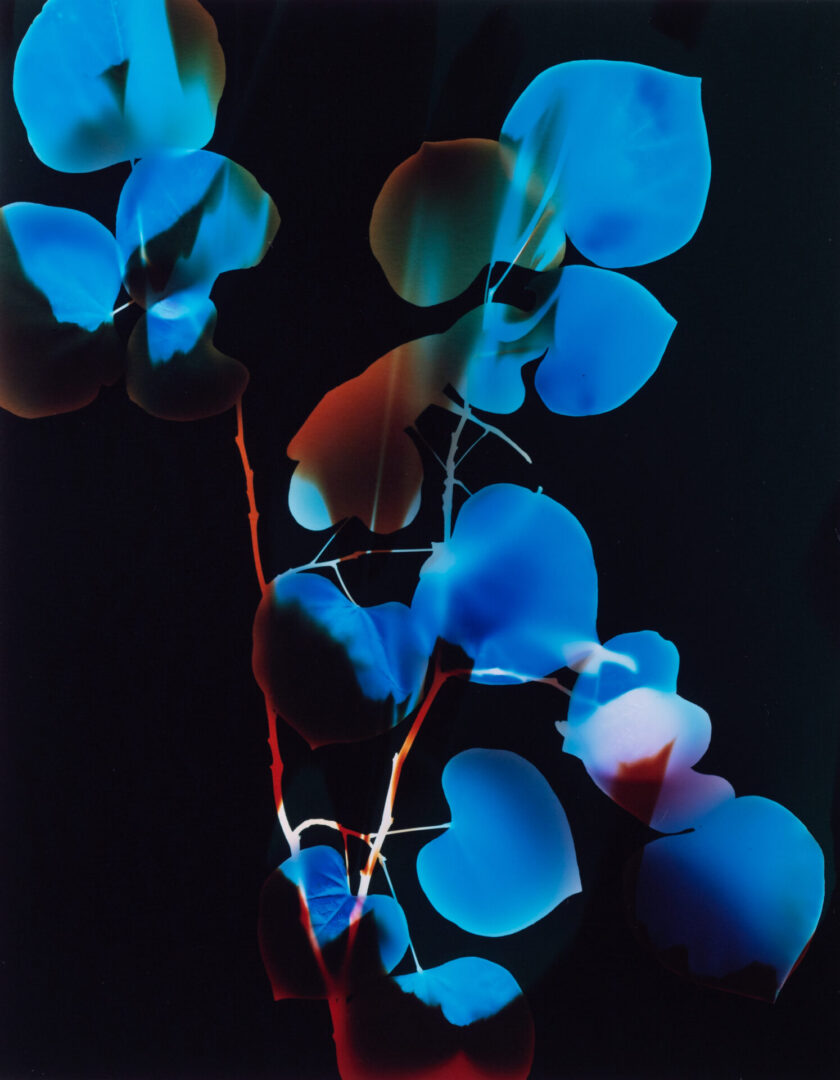
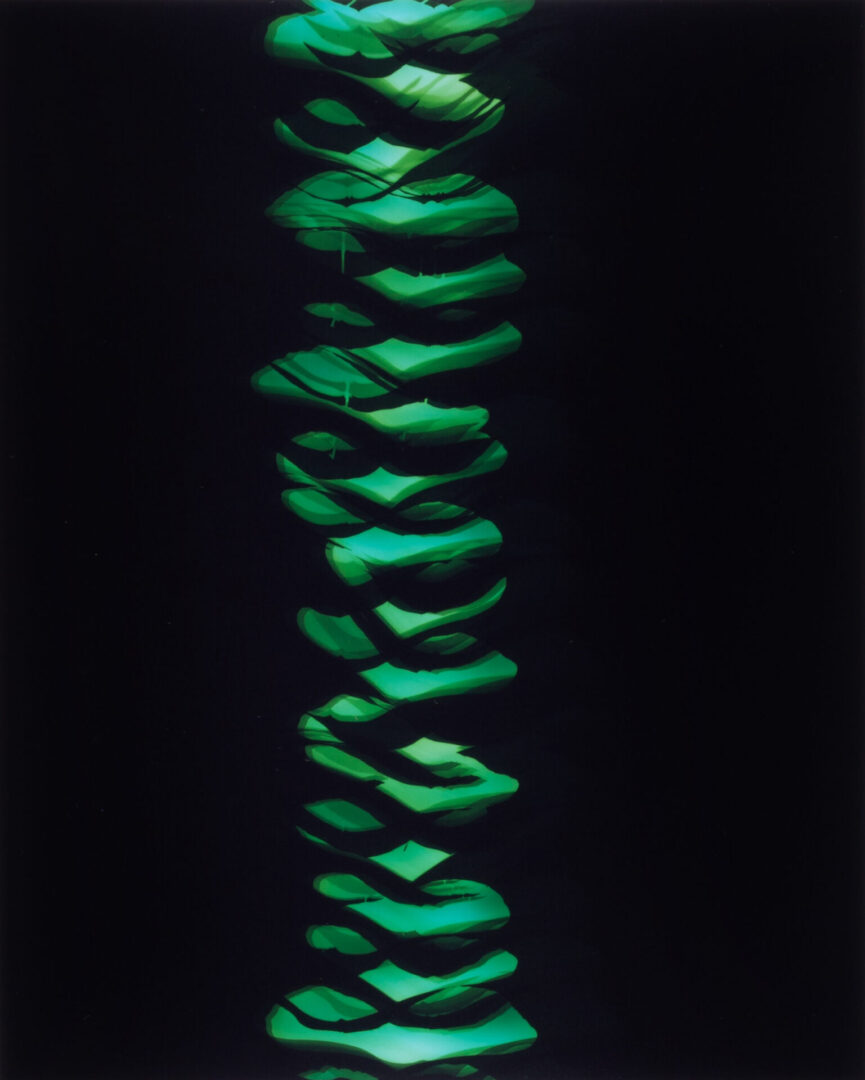
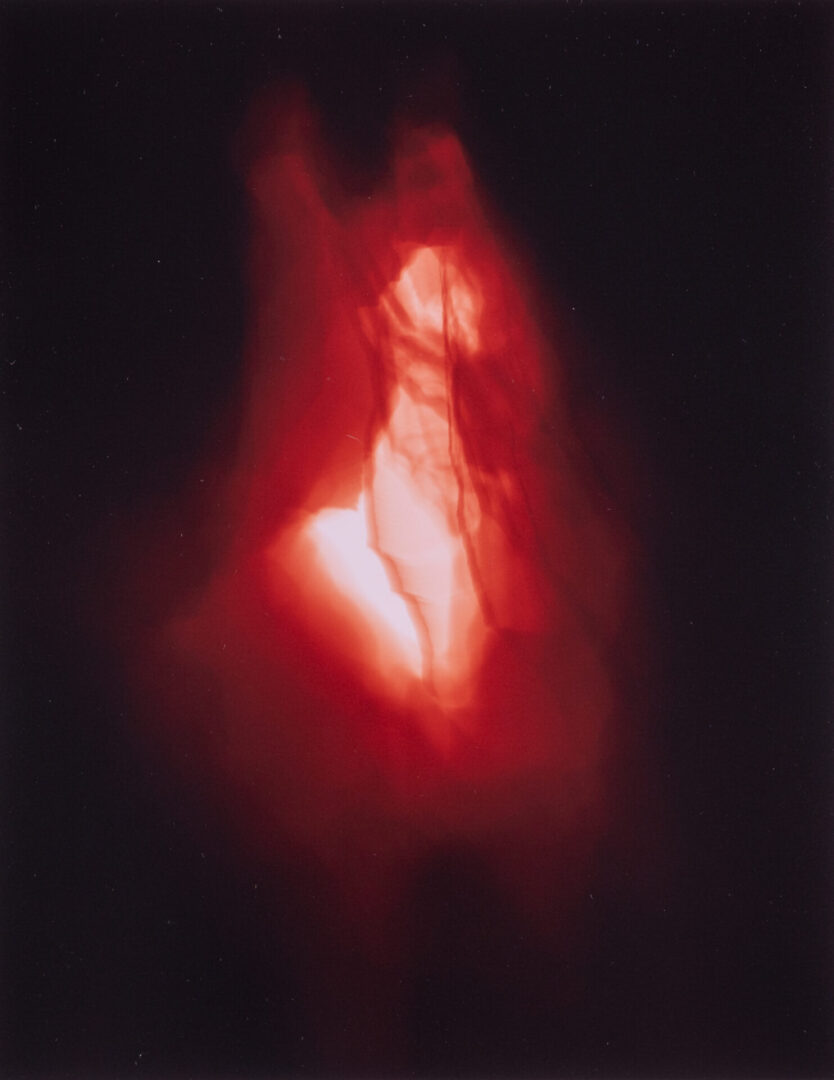
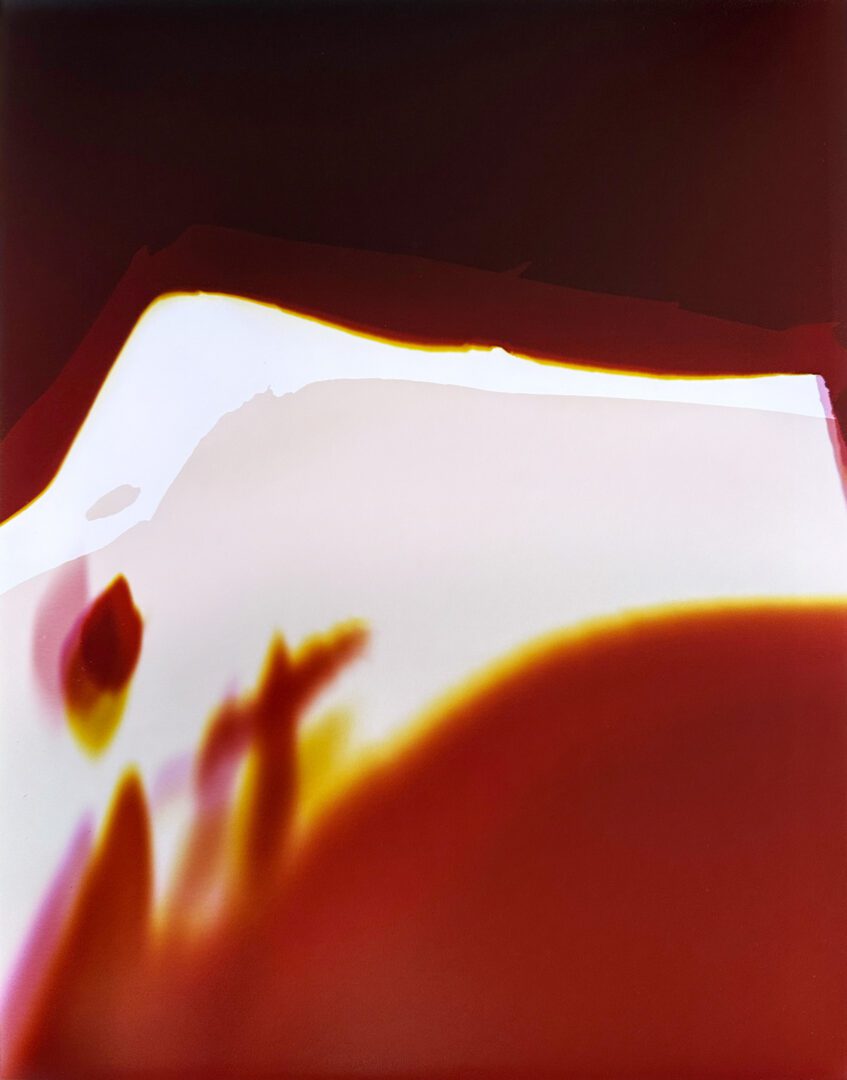
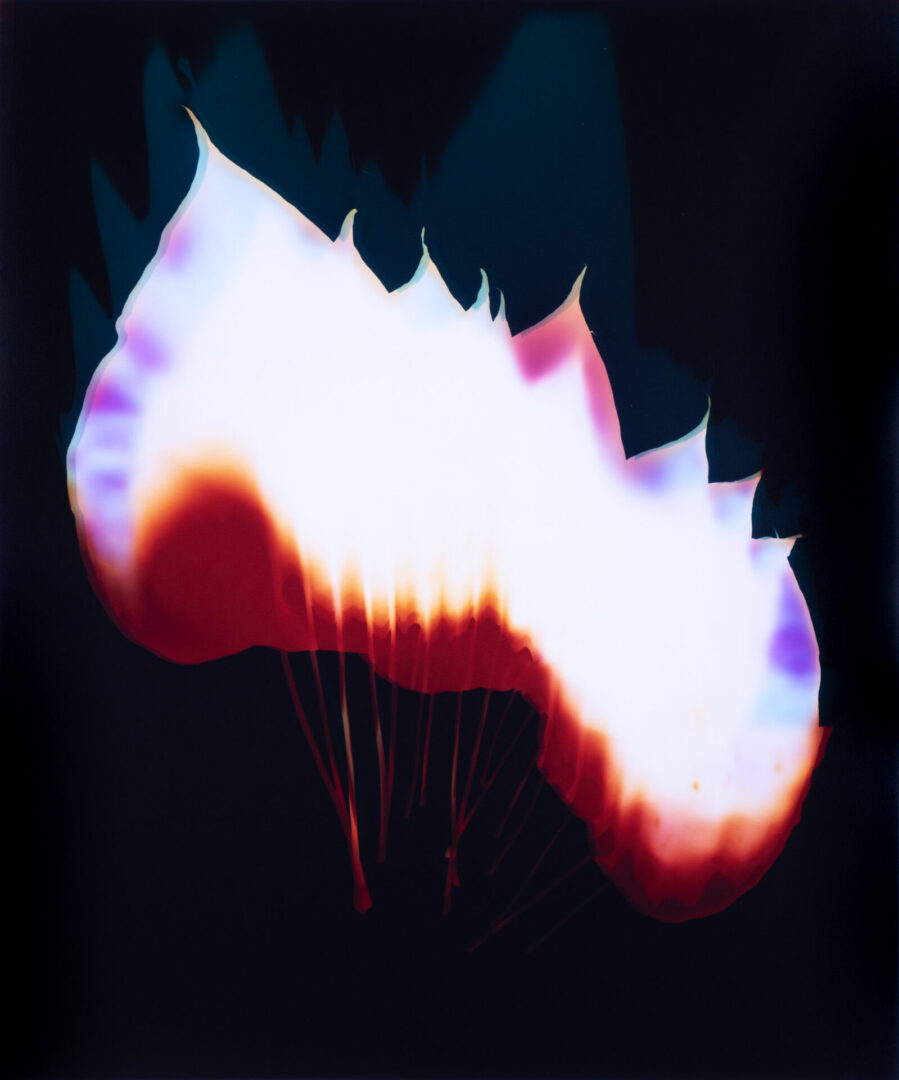


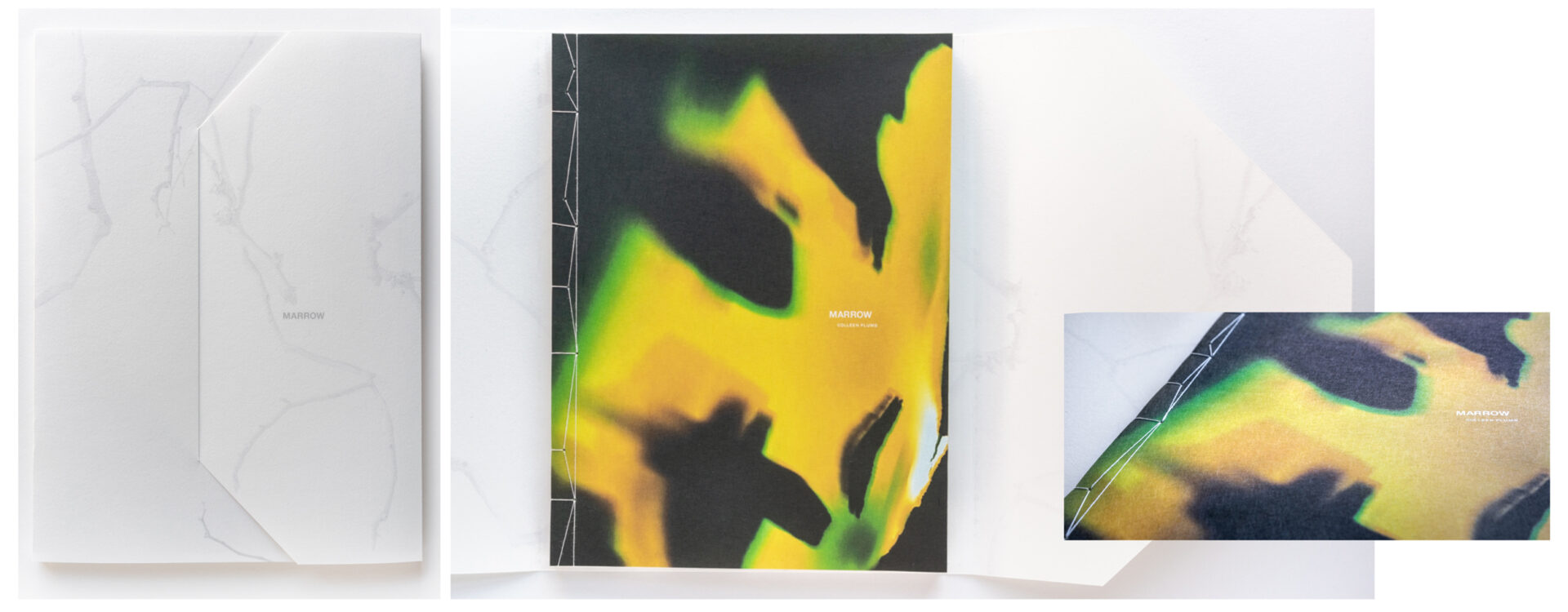
Photograms, video, installation, and hand stitched artist book printed on Washi kozo paper.
MARROW is an inquiry into the urban forest: in the summer of 2021, I began collecting shed Sycamore bark and deadfall branches on walks through my Chicago neighborhood. The bark’s shapes and the bone-like knots of branches became material for experimentation in the darkroom, expanding the scope of my practice into new ecological and material investigations. I now have included 40 tree species from the Chicago urban forest.
Collecting tree material from sidewalks, parks, and backyards has become a practice of attention. Through photograms, I consider whether traces of tree-beings can be translated through light onto paper—whether image can hold their presence. This attempt at dialogue is less about proof than about opening: a way to see and listen differently. The photogram, as a process that records direct contact, becomes a site where material, light, and time converge—suggesting metaphorical possibilities for reciprocity across species.
The invention of photograms as an early photographic technique paralleled developments in biology and modernism—disciplines that sought new visual forms and ways of understanding the natural world through art and science. My photograms connect with that lineage but belong to this moment. We now know that trees communicate with one another through fungal networks, chemical signals, root systems. This knowledge reshapes how we understand the intelligence, interdependence, and agency of trees, especially now, as ecosystems edge toward collapse. Within this context, my photograms explore the possibility of dialogue—or gestures of kinship and gratitude—toward the urban trees that surround and sustain us.
Through this project, I explore the possibility of what images can hold: gestures of gratitude, listening, and attention in the face of ecological collapse. The work operates as an inquiry rather than an answer, considering what it might mean to imagine communication across species and how photography can serve as a site of connection with the living world.
I am the 2025-26 artist educator with the Museum of Contemporary Photography’s Art, Activism, Policy, Power program: partnering with the conservation organization, Openlands Chicago, and Chicago High School art students who will learn tree canopy stewardship. I am deepening my research about the urban tree canopy and the lineage of photograms bridging art and science.